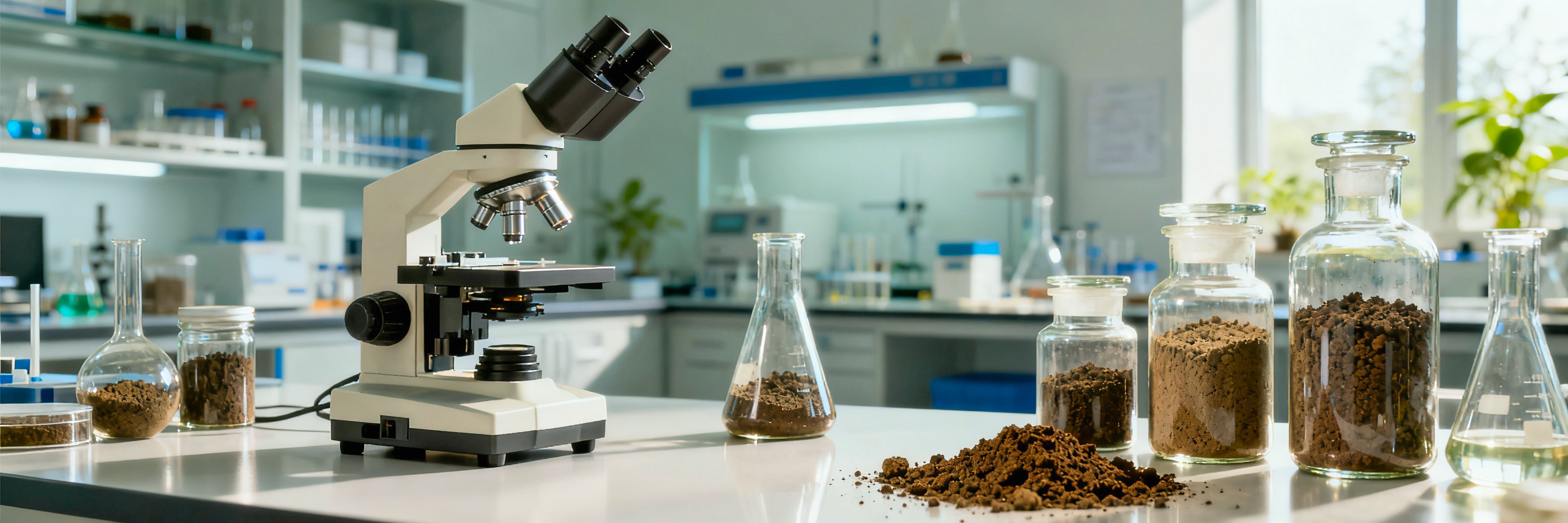
Soil Analysis
Soil Analysis
At QA Precision Environmental Laboratory, our ISO 17025 accredited Soil Analysis services support industries, agricultural operations, and government agencies in ensuring soil quality and regulatory compliance.
- Agriculture Soil Analysis
- Commercial Soil Analysis
- Fuel Station and Industrial Soil
- Landfill Soil Analysis
- Sea (Marine) Sediment
- Sewage Sludge Analysis
Agriculture Soil Analysis
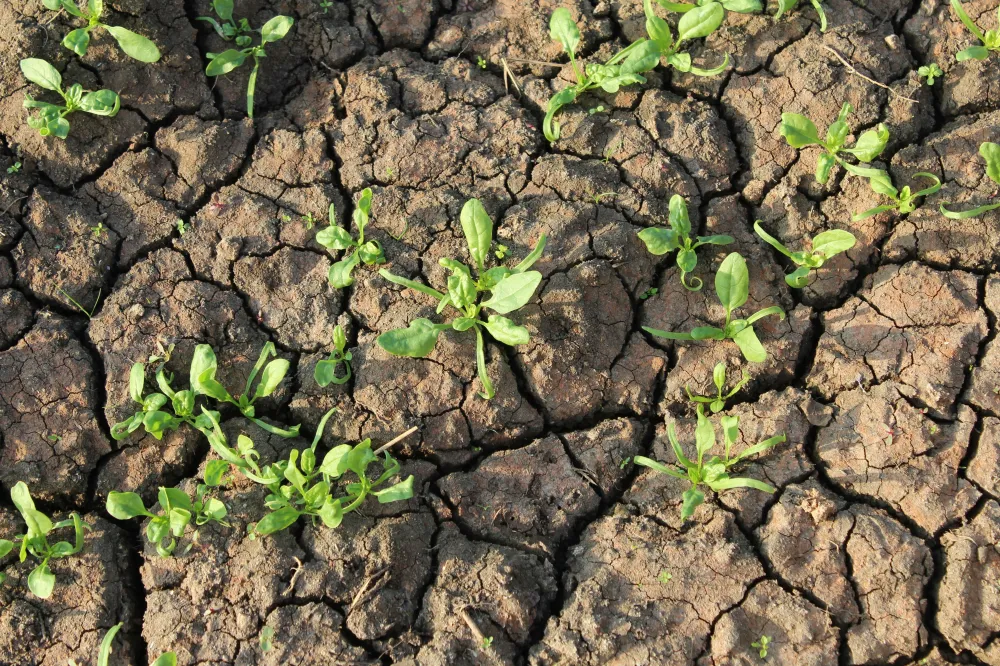
Agricultural and horticultural soils are tested to measure soil fertility and soil quality for monitoring fertilizer programs and to assist with identifying nutrient deficiency or toxicity.
Commercial Soil Analysis
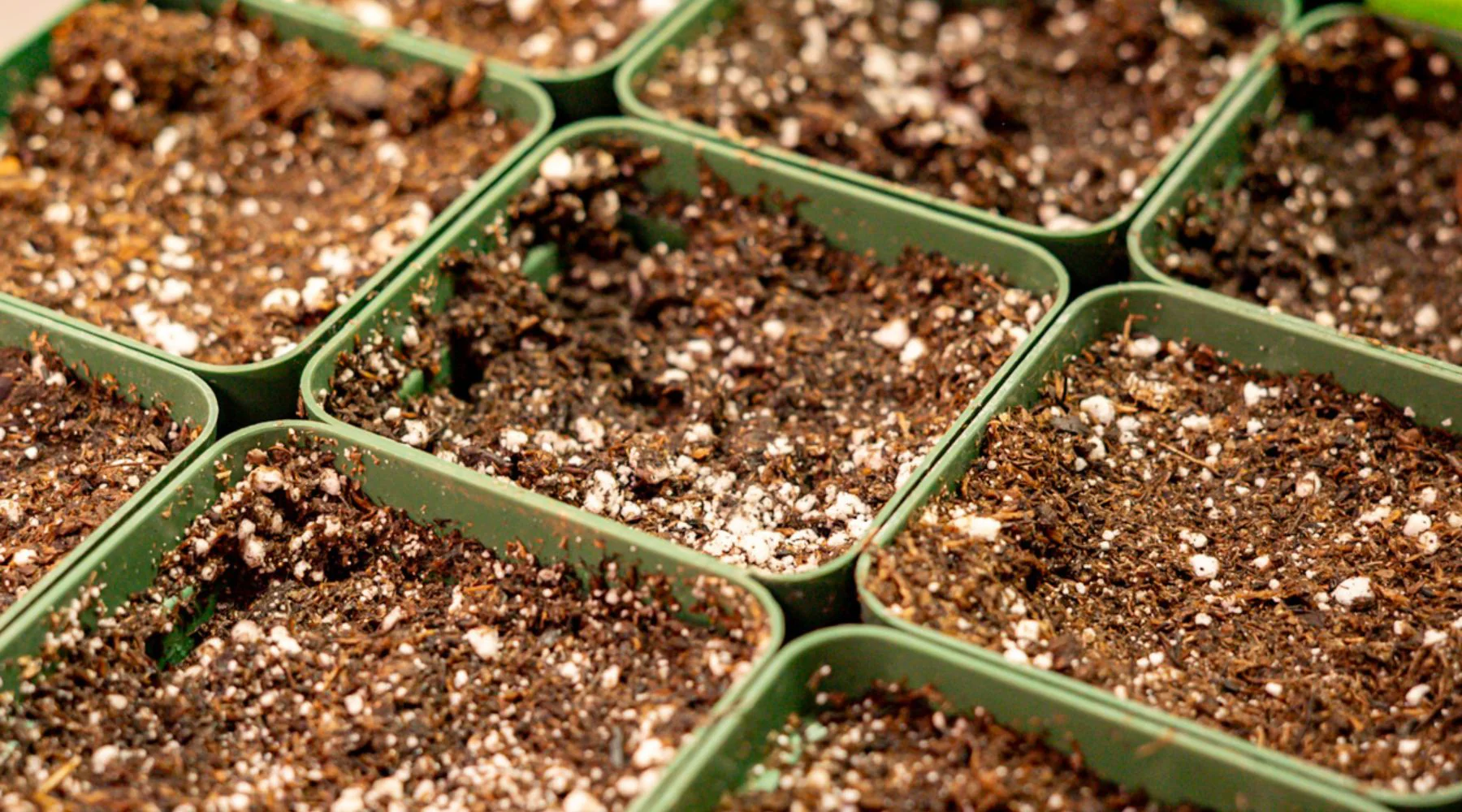
Commercial soil analysis involves laboratory testing of soil samples to determine their chemical, physical, and biological characteristics, providing data for construction, agriculture, and environmental management.
Fuel Station and Industrial Soil
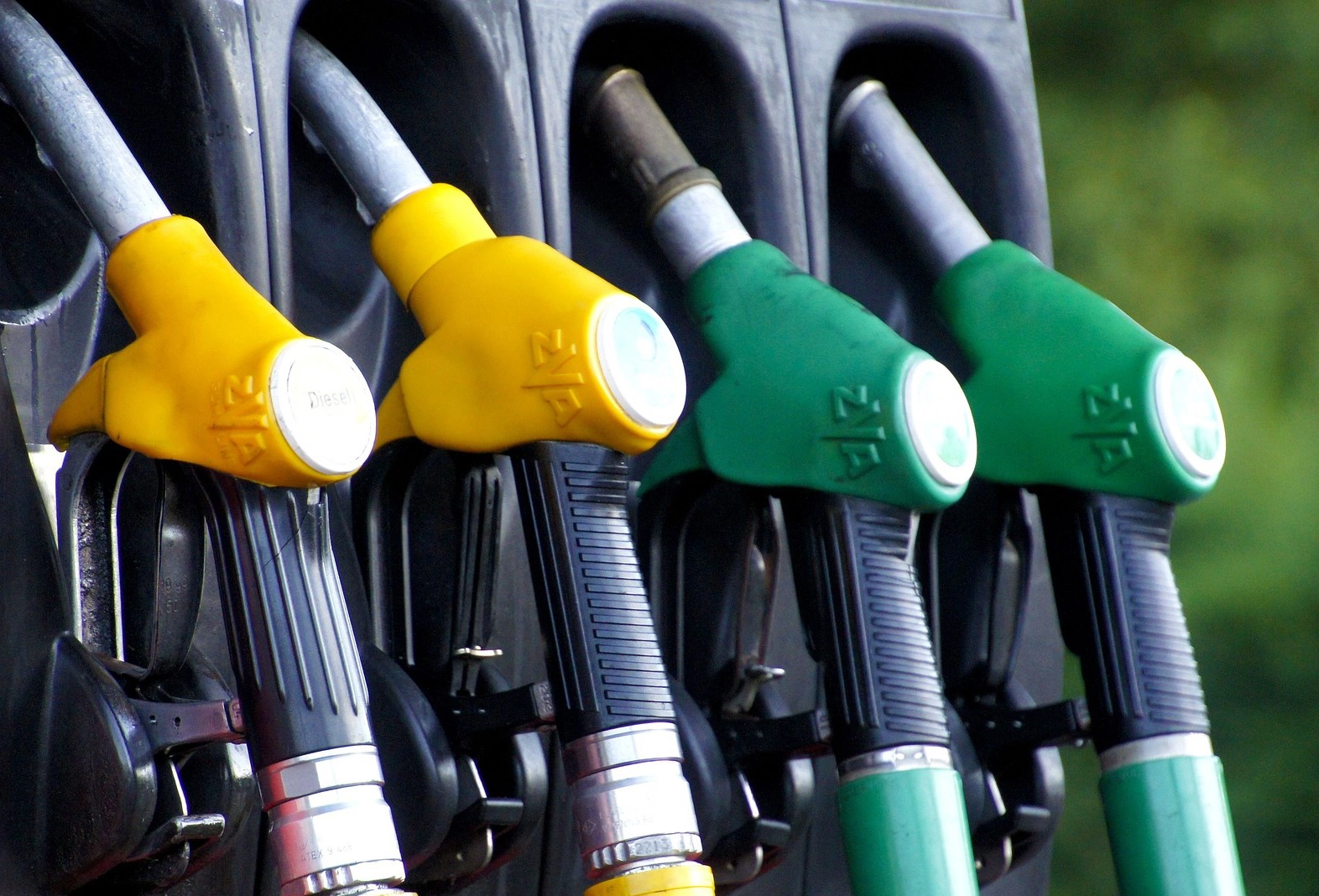
Fuel station and industrial soil testing detects hydrocarbon contamination, heavy metals, and hazardous chemicals to assess environmental liability and guide remediation efforts.
Landfill Soil Analysis

Landfill soil analysis uses the Toxicity Characteristic Leaching Procedure (TCLP) to test soil samples for contaminants like heavy metals, organic compounds, and pesticides.
Sea (Marine) Sediment
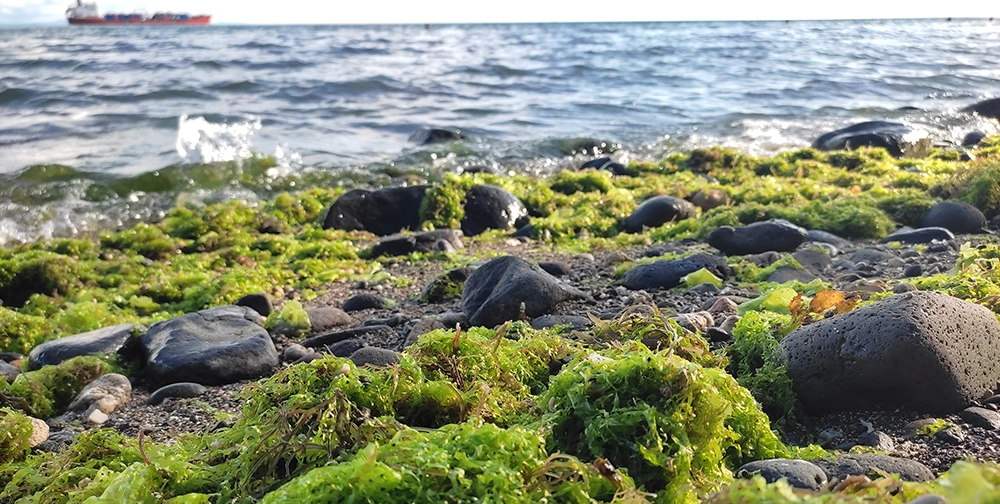
Sediments store pollutants from industrial activity, oil exploration, and shipping, and when released into water, these contaminants significantly impact marine ecosystem health.
Sewage Sludge Analysis
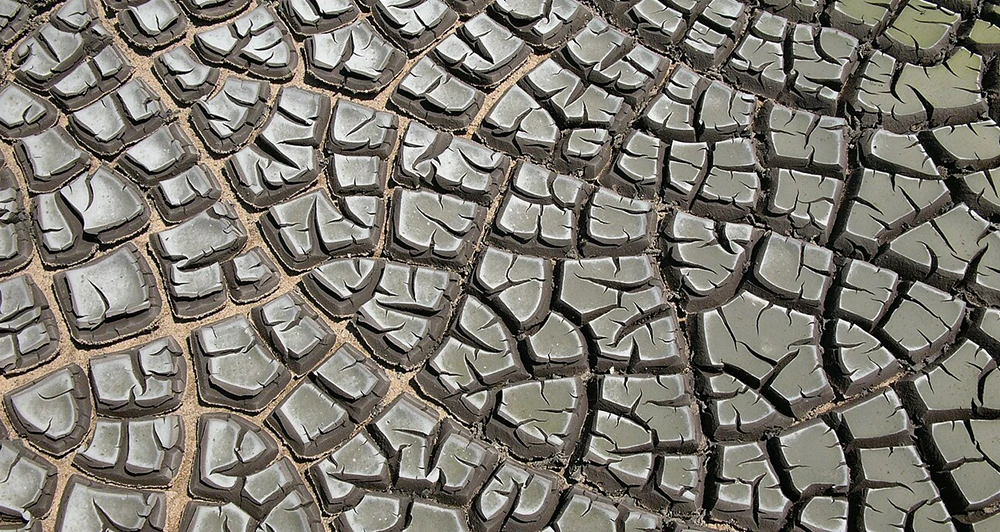
Sewage sludge analysis examines the physical and chemical properties of solids from wastewater treatment to assess composition, risks, and suitability for reuse or disposal, ensuring health and environmental protection.
Why It Matters for Your Business
Avoid Regulatory Risks
Avoid regulatory fines and compliance risks while maintaining operational integrity.
Improve Yields
Maximize agricultural productivity and reduce costs through optimized soil management.
Build Trust
Protect investments and strengthen stakeholder trust with certified results.
Soil Analysis Types
Soil Physical Analysis
Soil has many physical properties, such as:
- Color
- pH
- Temperature
- Electrical Conductivity
- Total Dissolved Solids (TDS)
- Particle Size (Sieve Analysis)
- Organic Matter (OM)
- Soil Texture
- Humidity (Water Content)
Soil Chemical (Organic) Analysis
This type of soil analysis aims to detect contamination with organic, petroleum, and hydrocarbon materials, such as:
- Volatile Organic Compounds (VOCs)
- Semi-Volatile Organic Compounds (SVOCs)
- Oil & Grease
- Phenols
- Pesticides
- Halogenated Aliphatic Compounds
Soil Chemical (Inorganic) Analysis
Inorganic materials such as:
- Metals
- Fluoride
- Cyanide
- Sulphur
Soil Microbiological Analysis
Soil analysis to determine the presence or absence of microbial contamination and to estimate the type and number of bacteria present in the sample.
Scope - What We Test
Standards & Compliance
All tests are conducted under ISO 17025 accreditation and in compliance with MWEA, NCEC, and international standards to ensure accuracy and institutional reliability.